
If you’ve been told that losing weight will fix your PCOS, you’re not alone. It’s one of the most common - and oversimplified - pieces of advice given to women with Polycystic Ovary Syndrome.
And while weight can play a role in PCOS management, it’s not the magic switch many are led to believe it is. So let’s take a step back and explore the deeper truth: what really helps, what doesn’t, and how to care for your body without turning it into a constant project.
The Popular Belief: “Just Lose Weight to Fix PCOS”
Why So Many Women Hear This First
Weight gain is one of the most visible symptoms of PCOS. So when doctors or online forums suggest that weight loss is the solution, it sounds logical. But PCOS is not just a weight issue - it’s a complex hormonal condition.
The Problem with Oversimplification
This advice often ignores two things:
Many women with PCOS struggle to lose weight due to insulin resistance and chronic inflammation.
Plenty of women with PCOS are not overweight and still deal with symptoms like irregular periods, acne, or fertility challenges.
So, does weight loss reverse PCOS? Not exactly. But for some, it can improve specific symptoms.
Understanding the Complex Nature of PCOS
Insulin Resistance and Inflammation
At the heart of PCOS lies insulin resistance - a condition where your body doesn’t use insulin effectively, leading to blood sugar spikes, hormonal imbalance, and yes, weight gain. Add to that low-grade inflammation, and you have a body that’s working overtime to regulate itself.
Genetics, Stress, and Hormonal Imbalance
PCOS also has a strong genetic link, and it’s deeply influenced by chronic stress, sleep patterns, and lifestyle. That’s why managing PCOS is not about one quick fix - it’s about supporting your whole system, kindly and consistently.
Can Losing Weight Really Reverse PCOS Symptoms?
For some people, especially those with higher body weight and insulin resistance, even a 5–10% weight loss can lead to:
More regular periods
Improved ovulation
Better insulin sensitivity
Reduced acne or hair growth
But it’s important to know: losing weight is not the same as reversing PCOS. You can feel healthier and more balanced without hitting a certain number on the scale.
What Actually Helps: Beyond the Weight Focus
Anti-Inflammatory Eating and Blood Sugar Balance
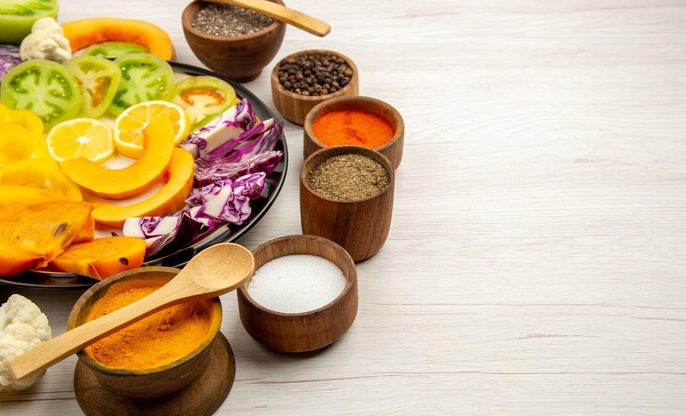
Instead of focusing solely on weight, aim to eat in a way that stabilizes your blood sugar and reduces inflammation. Think:
Leafy greens, colorful vegetables, healthy fats
Protein-rich meals paired with slow carbs
Anti-inflammatory spices like turmeric and cinnamon
This helps reduce PCOS symptoms - even if your weight stays the same.
Sleep, Movement, and Stress Reduction
Your hormones respond powerfully to rest, gentle movement, and stress care. That’s why practices like:
Consistent sleep routines
Walking or light strength training
Breathwork or online wellness yoga for PCOS
...are often more powerful (and sustainable) than punishing workout plans.
The Emotional Impact of “Weight Loss Pressure”
PCOS already comes with physical and emotional challenges. Adding constant pressure to lose weight can damage self-worth, disrupt eating habits, and lead to burnout. You deserve more than a weight-loss prescription - you deserve to be seen as a whole person.
How to Support Hormones Kindly
Kindness isn’t just an emotional value - it’s a biological one. When your nervous system feels safe and your metabolism isn’t being pushed to extremes, your hormones respond with more balance.
Here’s what kind, sustainable hormone support can look like:
Eating to nourish, not deprive
Moving to feel good, not to punish
Sleeping to heal, not hustle
Learning your body’s unique signals, not fighting them
You don’t have to “fix” your body. You can work with it.
When to Seek Help: You Deserve a Real Plan
If you’re tired of guessing or burnt out from trying to “figure it all out,” it might be time to get support that actually sees the full picture.
Book a consultation with a wellness expert if:
You’ve tried diets, and nothing feels sustainable
You want to manage PCOS without obsessing over weight
You’re ready for a plan that fits your life, not someone else’s timeline
Together, you can explore root causes, build a hormone-friendly lifestyle, and feel empowered in your own skin - without shame, overwhelm, or crash plans.
Final Thoughts
The idea that weight loss can reverse PCOS is a half-truth. Yes, it can help some symptoms. But no, it’s not a guaranteed cure - and it’s definitely not the only way to reclaim your health.
Your body is not broken. It’s communicating.
When you stop chasing quick fixes and start building slow, supportive habits, everything begins to shift. You don’t need to go it alone - support exists.
More in Others

The Importance of Hydration During the Third Trimester
8 Min Read

How to Involve Your Older Child in Garbh Sanskar
5 Min Read

How Prenatal Yoga Improves Blood Flow to the Uterus
5 Min Read

Chair Yoga Poses for Pregnant Women
8 Min Read
Pregnancy Symptoms Nobody Warned Me About: The Sexy Mustache & Eternal Gas
5 Min Read

Evening Snack Ideas for Pregnant Women
7 Min Read


